The polished lobby, once a bustling stage for a carefully choreographed symphony of service, now stands in my memory cloaked in an unsettling quiet. The hum of activity, the familiar rhythm of a team working in unison, has ceased. Today, my thoughts drift to a recent, painful upheaval: the fallout of being laid off from the three hotels I managed. This isn’t just about a job lost; it’s about the profound emotional cost of a professional family disbanding, and the stark, often heartbreaking, revelation of where true loyalty lies when the lights dim.
This experience, still raw and resonating deeply, forced me to confront a painful truth about human connection, particularly when intertwined with professional dynamics. It has been a somber, illuminating chapter in my ongoing journey of self-reflection, bringing to the surface old wounds and forcing me to examine uncomfortable realities about my own patterns of building relationships.
The Illusion of Kinship: Investing in a Professional Family
For years, I poured my energy, not just my professional expertise, into cultivating the atmosphere within those three hotels. My team wasn’t just a group of employees; they were, to me, a professional family. I believed deeply in fostering a supportive, compassionate, and positive work environment. My management style was rooted in genuine care, mirroring my personal philosophy of valuing human connection above all else.
- Beyond the Job Description: I consistently went above and beyond for my staff, striving to create a space where everyone felt valued, respected, and genuinely cared for. This wasn’t solely about productivity; it was about building a cohesive, supportive unit.
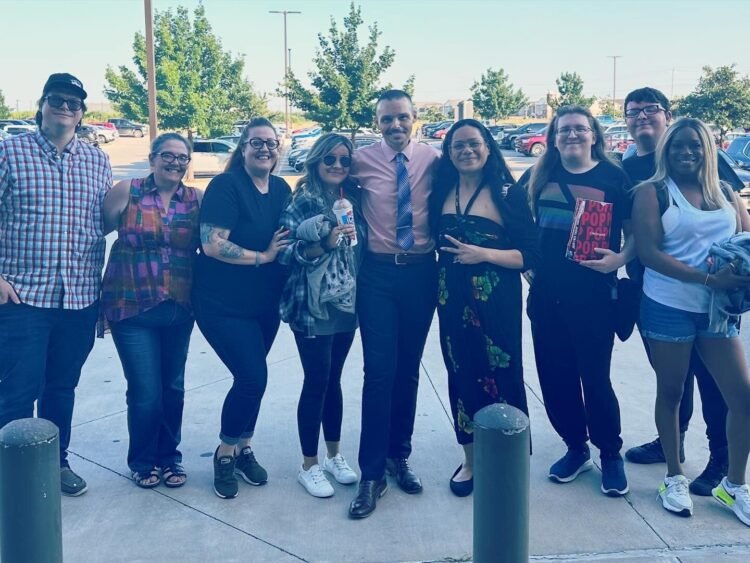
- Acts of Care and Generosity: I made it a point to consistently show my appreciation and support in tangible ways. I paid for them to go on trips, fostering camaraderie outside of work demands. We enjoyed dinners out, celebrated milestones, and shared moments of simple joy. I took them to places like Six Flags, creating shared, fun memories. I made sure we had movies nights, fostering a sense of collective enjoyment. And weekly, without fail, I bought them lunch, a small gesture meant to alleviate stress and provide a moment of shared sustenance. These were not just perks; they were acts of care, extended from a place of genuine affection.
- The Belief in Connection: I was convinced I had built something truly special, a network of over 20 close friends within my work environment. I trusted them, I confided in them, and I believed our bonds transcended the transactional nature of employment. I saw them as my chosen professional companions, a testament to the belief that meaningful relationships can form anywhere.
In my mind, I wasn’t just a GM; I was a protector, a provider, a mentor, and a friend. The loyalty I felt towards them, I genuinely believed was reciprocated.
The Unveiling: When the Structure Crumbles
The news of the hotels being sold, received abruptly while I was on vacation in San Francisco celebrating a trip across California (a moment of profound contrast), shattered that illusion. The reality of a new ownership bringing in their own team meant the professional family I had so meticulously cultivated was being disbanded. My position, along with many others, was eliminated.
The immediate fallout was profoundly painful. My phone, once filled with calls about daily operations, now buzzed with panicked, heartbroken voices of staff members facing sudden unemployment. Their fear, their anger, their bewilderment—it was devastating to hear, particularly from afar, feeling helpless.
And then came the cold, hard truth: once I was no longer needed, I learned who was truly there for me. The constant calls and texts from the majority of those 20+ “close friends” dwindled to silence. The expressions of concern, while initially present, largely evaporated once my practical utility as their manager, their provider of small kindnesses and a positive work environment, ceased. The stark absence of continued contact, of genuine check-ins beyond the immediate shock, revealed a painful reality.
The Profound Pain: Relationships as Transactional Currency
This experience, raw and deeply illuminating, forced me to confront a brutal truth about myself and my past: the painful realization that many of the relationships I’ve formed, particularly professional ones, were perhaps, in essence, transactional. And more profoundly, it forced me to face my deepest fear: that, because of my past traumas, I often buy love and friendship.
- The Echo of Abandonment: My childhood, marked by the profound abandonment of my biological father, the emotional absence of my stepfather, and the ultimate rejection by my grandparents at 16, created a deep-seated fear of being left. This fear, ingrained by early trauma, built a survival mechanism: if I provide enough, if I’m valuable enough, if I make things easy, if I give enough, I won’t be left.
- Buying Love: This survival mechanism translated into a subconscious pattern of “buying” connection. The trips, the dinners, the Six Flags outings, the weekly lunches—these were not purely altruistic. While genuine care was certainly present, there was an underlying, unacknowledged hope that these gestures would solidify bonds, that they would ensure loyalty, that they would prove my worth and prevent abandonment. It was an unconscious attempt to create conditions that would prevent others from leaving.
- The Loneliness of Unreciprocated Investment: The profound pain lies in the realization that the emotional investment, the belief in a reciprocal kinship, was largely one-sided. The connections, for many, were indeed tied to the opportunity of employment, the benefit of a good manager, or the perks I provided. Once the “opportunity” ceased, so did the consistent contact. This is the sting of a relationship proving to be transactional, rather than genuinely unconditional.
The Unyielding Light: True Connections in the Aftermath
And yet, even in this profound moment of sadness and disillusionment, beacons of truth emerged. The brutal winnowing process revealed the true, unwavering constellations in my personal sky. Melissa, Shelby, and Tasi—these are the individuals who have remained.
- Melissa: My high school friend, my rock for over 20 years, who literally picked me up when I was abandoned. Her loyalty is unwavering, her presence a constant comfort.
- Shelby: My best friend, my confidante, my chosen family. Her consistent presence, humor, her empathy, and her genuine love transcend any professional ties.
- Tasi: A testament to genuine connection forged in the workplace, but maintained beyond it. Her continued friendship, her check-ins, and her loyalty are deeply cherished.
These three, along with Matthew, my amazing partner whose unwavering love has transformed my life, are the radiant proof that authentic connection exists. They are the ones who reached out, who remained present, who showed consistent care not because I was their manager, but because they are true friends. Their genuine connection is the antidote to the fear of abandonment, proving that some bonds are forged in shared humanity, not just shared circumstance.
This experience has been a raw, painful, yet ultimately vital lesson. It has forced me to confront my own deeply ingrained patterns, to understand the subtle ways trauma can shape behavior, and to finally shed the illusion that love or friendship can be “bought” or secured through constant provision. The “work family” may have disbanded, but the truth it revealed about genuine connection, and about my own capacity for authentic love (both receiving and giving), is invaluable. The scars remain, but so too does the profound gratitude for the few, true lights who illuminate my path. And that, I know, is a foundation unbreakable.