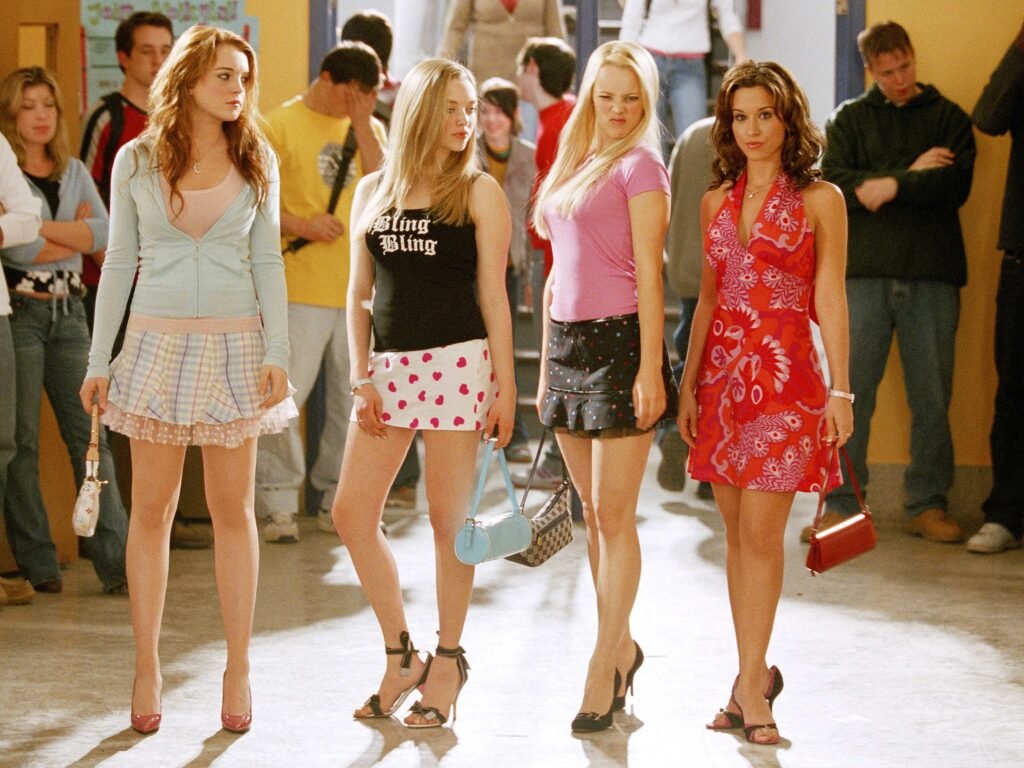
The fluorescent lights of the North Shore High School cafeteria, the clatter of lunch trays, and the hushed whispers of teenage hierarchy. From the moment Cady Heron steps into this bewildering social ecosystem, a cinematic classic unfolds, dissecting the brutal, hilarious, and often terrifying world of high school cliques with a precision that remains unmatched. Today, my thoughts turn to a film that transcended its genre to become a cultural touchstone, a work of comedic genius that, even decades later, demands unwavering adoration: Mean Girls.
This isn’t just a movie; it’s a social studies lesson disguised as a comedy, a masterclass in sharp writing, iconic characters, and a satirical brilliance that continues to resonate with alarming accuracy. For me, Mean Girls isn’t just a teen comedy; it is, without a shadow of a doubt, the ultimate teen comedy classic. And frankly, if you can’t quote the majority of this movie, then I’m not entirely sure we can be friends.
The Anatomy of Icons: Sharp Writing and Unforgettable Characters
Mean Girls, released in 2004, was a perfect storm of talent. Written by Tina Fey (based on Rosalind Wiseman’s non-fiction book Queen Bees and Wannabes), directed by Mark Waters, and featuring an ensemble cast at the peak of their comedic powers, it understood the intricate, often cruel, dynamics of female adolescence with a surgeon’s precision.
- Tina Fey’s Razor-Sharp Script: This is the beating heart of the film. Tina Fey’s writing is simply unparalleled in its wit, intelligence, and quotability. Every line, every exchange, every voice-over narration is meticulously crafted, packed with layered jokes, subtle observations, and punchlines that land with devastating accuracy. The dialogue is so incisive, so memorable, that it quickly embedded itself into the cultural lexicon. It’s a script that demands (and rewards) repeat viewings, revealing new comedic nuances with every watch.
- Universal Relatability in Specificity: While the film focuses on a very specific high school hierarchy (The Plastics, The Mathletes, The Art Freaks), its themes of belonging, identity, social pressure, betrayal, and the desperate desire for acceptance are universally relatable. It perfectly captures the absurdity and genuine pain of navigating teenage social landscapes, making it resonate with anyone who has ever survived high school.
- Iconic, Perfectly Cast Characters: The film’s brilliance is amplified by its unforgettable characters, each a perfectly drawn archetype that, through the actors’ performances, became instantly iconic:
- Regina George (Rachel McAdams): The queen bee, the terrifyingly charismatic, manipulative leader of The Plastics. McAdams’ portrayal of Regina is chillingly brilliant—beautiful, ruthless, and utterly captivating. She’s the villain you love to hate, the one who sets the standard for cinematic meanness.
- Cady Heron (Lindsay Lohan): The naive, homeschooled protagonist, thrust into the social jungle of public high school. Her transformation from innocent outsider to queen bee (and back again) is the film’s central, often hilarious, journey. Lohan perfectly embodies Cady’s awkward charm and eventual corruptibility.
- Gretchen Wieners (Lacey Chabert): The insecure, gossip-mongering sidekick desperate for Regina’s approval, constantly reminding everyone that “that’s so fetch!” Her desperate yearning for inclusion makes her both pathetic and endearing.
- Karen Smith (Amanda Seyfried): The endearingly dim-witted, supremely innocent, and hilariously spacey member of The Plastics, known for her “ESPN” (e.g., psychic ability to predict precipitation with her breasts) and her delightful lack of self-awareness. Seyfried’s performance is a comedic revelation.
- Janis Ian (Lizzy Caplan) & Damian (Daniel Franzese): Cady’s sarcastic, artistic, and fiercely loyal “art freak” friends. They provide the cynical, witty commentary and often serve as the audience’s moral compass. Their chemistry and their perfectly delivered zingers are vital to the film’s comedic heart.
- Ms. Norbury (Tina Fey): The dry, exasperated math teacher who attempts to guide Cady (and the audience) through the treacherous waters of teenage girlhood. Fey’s performance injects a much-needed dose of adult reality and sardonic wisdom.
- Principal Duvall (Tim Meadows): The perpetually overwhelmed principal, constantly trying to maintain order in a school spiraling into social chaos, often with hilarious and futile results.
The Ultimate Quota: Why You Must Quote It
My informal rule of friendship (and cinematic compatibility) is simple: if you can’t quote the majority of Mean Girls, then we might have some foundational issues. It’s not just a quirk; it’s a testament to the film’s unique status. The sheer density of its iconic lines, which have permeated everyday conversation and meme culture, is staggering.
- “That’s so fetch!”
- “On Wednesdays, we wear pink.”
- “You go, Glen Coco!”
- “The limit does not exist.”
- “She doesn’t even go here!”
- “Is butter a carb?”
- “Boo, you whore.”
- “I’m a mouse, duh.”
These aren’t just lines; they’re cultural shorthand, a shared language for those who understand the film’s specific genius. The ability to drop a Mean Girls quote into casual conversation is a litmus test for a particular brand of humor and pop culture literacy.
The Enduring Reign: Why It’s Timeless
Mean Girls didn’t just capture the zeitgeist of the early 2000s; it created its own, one that continues to influence comedy, fashion, and social commentary.
- Sharp Social Satire: The film’s dissection of female social dynamics, high school cliques, and the desperate pursuit of popularity remains incredibly relevant. It satirizes the manipulative tactics, the unspoken rules, and the inherent cruelty that can fester in closed social systems.
- Empowerment (Eventually): While it explores the darker side of female relationships, the film ultimately offers a message of empowerment, self-acceptance, and the importance of finding your authentic self beyond superficiality and popularity contests.
- Cultural Longevity: The film’s continued popularity, its status as a constant presence in pop culture conversations, and its successful musical adaptations (Broadway and film) are all testaments to its enduring impact. It proved that a teen comedy could be both hilariously funny and surprisingly insightful.
Mean Girls is a rare cinematic achievement: a film that is both laugh-out-loud hilarious and profoundly intelligent. It understood the complex, brutal, and utterly captivating world of high school with a precision that continues to resonate. It’s a film I return to constantly, not just for the jokes, but for its sharp insights into human behavior and the timeless struggle for belonging. And for me, that’s what makes it the ultimate, undisputed teen comedy classic.
What are your favorite Mean Girls quotes or moments? How do you think the film influenced other teen comedies? Share your thoughts below – let’s celebrate the lasting impact of sharp, iconic humor!