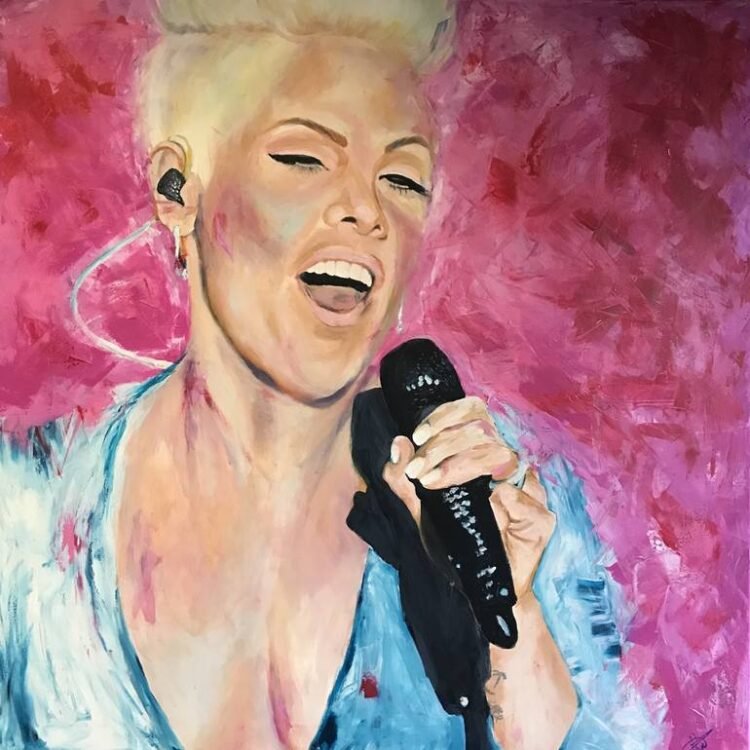
The pop landscape, particularly in the late 90s and early 2000s, often presented a very specific, meticulously polished image of female stardom. It was an era of pop princesses, of manufactured sweetness, and of carefully curated personas. Then, a different kind of energy erupted, a raw, unapologetic voice that defied every expectation and carved its own path with a defiant roar: Pink. Today, my thoughts turn to this singular force, exploring her profound impact on female empowerment in pop music, and how she consistently challenges the very notion of what it means to be a “pop star.”
This isn’t just about music; it’s about authenticity, resilience, and the power of a woman who, through decades in the industry, has consistently championed realness, defying limiting beauty standards and empowering countless individuals to embrace their true selves.
The Unconventional Ascent: From Punk Edge to Pop Dominance
Pink, born Alecia Moore in Doylestown, Pennsylvania, in 1979, didn’t fit the mold from day one. Her early career began in the Philadelphia club scene, singing backup for an R&B band and performing in local clubs from the age of 13. She signed her first record deal at 16, but quickly bristled against being marketed as another “cookie cutter pop act.”
- Can’t Take Me Home (2000): The Edgy Debut: Her debut album immediately introduced a pop and R&B sound with an undeniable edge. Hits like “There You Go” and “Most Girls” showcased her powerful voice and a budding willingness to defy conventional pop imagery. Even in this early phase, she had already embraced her signature pink, spiky hair, a visual rebellion against the long, blonde hair that dominated pop.
- Missundaztood (2001): The Breakthrough and Artistic Reclamation: This was the album that exploded her into superstardom and cemented her unique identity. Pink actively sought more artistic control, shifting her sound towards a rockier, edgier vibe. The lead single, “Get the Party Started,” was an immediate hit, showcasing her raw energy. But it was also an album of profound personal introspection, exploring themes of personal insecurities, loneliness, self-identity, and family problems (“Don’t Let Me Get Me,” “Family Portrait”). This album was a deliberate act of artistic reclamation, fighting against her label’s attempts to keep her in a pre-defined R&B box.
- “Lady Marmalade” (2001): A Cultural Moment: Her collaboration with Christina Aguilera, Lil’ Kim, and Mya on “Lady Marmalade” for the Moulin Rouge! soundtrack was a monumental pop culture event. It showcased her versatility, power, and ability to hold her own alongside other vocal titans, earning her first Grammy Award.
Pink’s early career was marked by a clear desire to be authentic, raw, and different. She wasn’t afraid to be loud, to be edgy, and to show her vulnerabilities.
Challenging the Frame: Realness Over Rhetoric
What truly distinguishes Pink and solidifies her impact on female empowerment is her unwavering commitment to challenging traditional beauty standards and championing realness. In an industry that often commodifies and homogenizes female bodies, Pink has consistently presented an image of strength, athleticism, and a distinct defiance of conventional glamour.
- Defying the “Pop Princess” Mold: From the outset, Pink’s athletic build, her tattoos, and her constantly evolving, often rebellious, hairstyles (from bright pink spikes to mohawks to shaved sides) stood in stark contrast to the slender, often hyper-sexualized, and traditionally feminine images of her pop star peers (like Britney Spears or Jessica Simpson, whom she even subtly critiqued in “Stupid Girls”). She carved out a space for a different kind of female pop star—one who was strong, muscular, and unafraid to sweat. This image empowered women to embrace physical strength and reject a singular beauty ideal.
- Authenticity in Performance: Her live shows are legendary for their high-flying acrobatics and physically demanding choreography. She performs elaborate aerial stunts while singing live, defying the notion that female performers must choose between spectacle and vocal integrity. Her raw energy on stage is an extension of her authentic persona; what you see is what you get. She is a fearless performer who pushes physical boundaries.
- Lyrics of Empowerment and Self-Acceptance: Pink’s lyrics are a constant source of powerful messages about self-acceptance, resilience, and challenging external pressures.
- “Fkin’ Perfect”**: This song is a raw, defiant declaration against societal pressure to fit a certain mold. It’s about embracing yourself, flaws and all, and recognizing your inherent worth even when you feel inadequate. It’s a powerful message for anyone struggling with self-doubt, resonating deeply with my own past struggles with body image and acceptance.
- “Stupid Girls” (Controversial but Groundbreaking): While controversial for seemingly “shaming” other women, the song (released in 2006) was a critique of the perceived pressure on women to act “stupid” or overly sexualized for male attention. It challenged women to be ambitious and intelligent, and resonated with “outcast women” or “tomboys” who felt pressured to conform. While the execution was imperfect, its intent was to call out a pervasive societal issue, and Pink has since shown growth, acknowledging that the “villains” were not other women, but the societal pressures placed upon them.
- “What About Us”: A powerful anthem for unity and standing up against division, questioning those in power who seek to divide. It’s a call for empathy and connection, resonating with broader social justice themes.
- “Don’t Let Me Get Me”: This song explores her feelings of inadequacy and self-hatred, and her frustrations with the music industry. It’s a raw look at her personal insecurities and her journey to overcome them, validating similar feelings in her listeners.
- Vulnerability as Strength: Pink has consistently used her music to address her personal struggles—family issues, self-doubt, turbulent relationships, and the challenges of fame. Her willingness to be vulnerable, to lay bare her insecurities and her pain, humanizes her and makes her profoundly relatable. She actively encourages listeners to embrace their own human experience, acknowledging that vulnerability is not a weakness but a source of power.
A Legacy of Unapologetic Realness: Influencing the Pop Landscape
Pink’s impact on pop music and female artists is undeniable. She didn’t just sell millions of records; she created a blueprint for a different kind of female pop star, one defined by authenticity, strength, and a refusal to compromise.
- Paving the Way for Authenticity: She inspired a generation of artists to be more authentic, to embrace their own voice, and to challenge industry expectations. She showed that artists didn’t have to be manufactured; they could be real, raw, and still achieve massive success. Robert Hilburn of the Los Angeles Times credited her with challenging a “school of teen singers to find their own sounds.”
- Longevity and Relevance: Despite not always having the highest “peak” chart positions compared to some peers, Pink has enjoyed remarkable longevity and consistent relevance, continually releasing hit albums and embarking on massively successful global tours (like her “Beautiful Trauma World Tour,” which was one of the highest-grossing tours of all time). This enduring success is a testament to her loyal fanbase, drawn to her authentic brand and powerful live performances. She is consistently ranked as one of the most played female solo artists of the 21st century in the UK.
- Advocacy and Social Consciousness: Beyond her music, Pink is an active advocate for human rights, animal rights (PETA), and the LGBTQ+ community. She uses her platform to speak out against injustice and encourage kindness, embodying her belief that “kindness today is an act of rebellion.”
Pink is more than just a singer-songwriter; she’s a cultural force, a trailblazer, and a profound voice for self-acceptance. Her fearless humor, her unwavering honesty, and her relentless pursuit of authenticity have secured her place as one of the most important and influential figures in contemporary pop music. She proved that unapologetic realness, in all its messy glory, is the most powerful aesthetic of all. And for that, her raw, powerful voice will continue to resonate loudly and clearly.