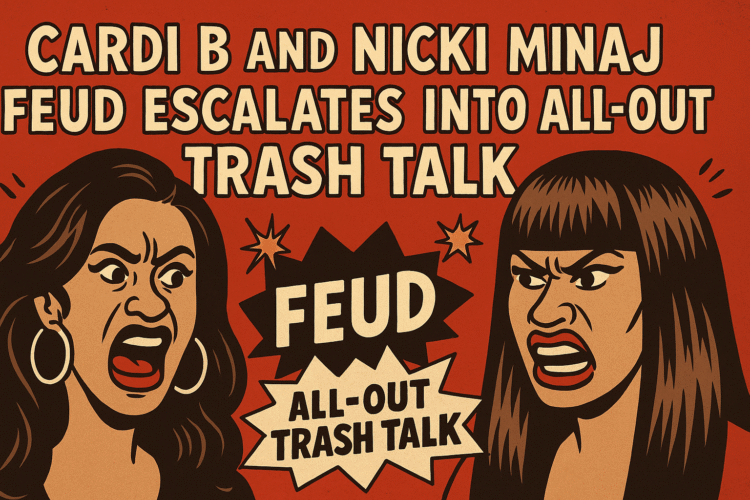
Rap’s version of battlefield diplomacy rarely comes with ceasefires. On the night of October 2, 2025, the feud between Cardi B and Nicki Minaj flared anew—and not in diss tracks or stadium tours, but across social media, text threads, and half-deleted taunts. Cardi accused Nicki of being “on heavy drugs,” bipolar, schizophrenic, a “possessed drug addict,” and claimed that Nicki’s husband uses her credit card. She threatened jail over perceived threats. Minaj fired back (then deleted): taunts about sales, fertility, parentage, and a line so toxic it dragged children into the chaos. It was messy, theatrical, unsettling—and revealing of how modern celebrity conflict is a form of attrition.
Let me walk you through the week’s timeline, layer in the corporate and legal stakes, and ask what it says when two of rap’s biggest figures turn grievance into perpetual spectacle.
Week of Fire: Timeline, Posts, Escalation
The conflagration didn’t begin October 2. It was simmering earlier. Cardi’s recent single “Magnet” included a lyric about “Cocaine Barbie,” widely taken as an early jab at Nicki. Fans speculated, chased context, watched warily. Then, late in the night before October 2 (around midnight local time), Cardi posted across Instagram Stories and X (formerly Twitter):
“You on heavy drugs, bipolar and schizophrenic. You look like a possessed drug addict. Your husband be using your card. Where TF you at? I’m ready to go to jail.”
She also tagged that as her “last message,” referencing vague past childhood abuse. She dared Nicki to respond. That post has since been archived or partly removed—screenshots survive in fan accounts and gossip aggregators.
Minutes later, Minaj responded in posts (some since-deleted) accusing Cardi of inflating her album sales numbers, sneering that Cardi was “pregnant with another monkey,” and tossing hints at fertility, motherhood, and legitimacy. Fan forums combed her older tweets for jabs about Cardi’s age or pregnancy rumors. Some posts remain live, some vanish into digital vapor.
Throughout the day, both sides posted, deleted, reposted. Gossip blogs and fan accounts cataloged screenshots. YouTube recap videos titled “CARDI VS NICKI: BLOODBATH!” racked up hundreds of thousands of views. The feud was no longer a musical rivalry; it was a public brawl, packaged and perfused.
Collateral idiots got dragged in. Rumors swirled that NFL player Stefon Diggs had ties to Nicki’s husband (based on a single awkward celebrity sighting). If only celebrity drama could be this telenovela every night.
By midday, reporters were parsing brand statements. Labels were asked for comment. Platforms were pressured to decide which posts violated harassment or hate policies. Lawyers whispered about defamation potential. And the fan armies across Reddit, TikTok, and Discord sharpened their brigading axes.
Context & Backstory: 2025, Tours, Past Wounds
This spat did not spring from nowhere. Cardi’s Am I the Drama? promotional cycle has leaned heavily into provocation, backlash, and doubling down on authenticity. Her tour was announced earlier in September, her chart numbers inching upward. Minaj, meanwhile, has been resurrecting her own war chest of comebacks, teasing new singles, and reengaging her fan base.
In the months preceding, old controversies resurfaced. Tweets from years ago in which Cardi referenced her age or fertility were dredged up. Nicki’s own old lines about other women, motherhood, and allegiance came back into circulation. The media framed this feud as not just music but as legacy conflict—two queens battling for culture’s top seat.
The friction has always had personal undertones, sunlighted by misogynoir: the dynamic where Black women are scrutinized differently, their anger policed harder, their rage both spectacle and moral failing. Fans on both sides fracture along those lines: some defending one’s right to rage, others calling the tone too harsh, too personal.
Platforms, Deletions, Amplifiers
Every post in this war is ephemeral. Cardi deletes after six hours; Nicki deletes half her replies. Fan accounts archive them. Gossip blogs tweet the screenshots before full deletion. YouTube recap videos embed them in slow motion. The platforms themselves are complicit: they fire their “strike” notices, they muffle reach, they archive only selectively.
The deletion pattern is strategic: throw a bomb, let the outrage spread, then delete to dodge policy enforcement or legal exposure. Fans copy and paste. Clips get reuploaded. It’s guerrilla content war, with reputations, brand deals, and personal dignity taking casualties.
No one can say exactly which lines stood longest, because the ecosystem is chaotic. Some screenshots show Cardi’s “possessed drug addict” comment lasting eight hours. Others show Minaj’s “monkey pregnancy” slur staying live for longer. The timeline is contested by fans, but the emotional impression is clear: no one backs away until everyone bleeds.
Risks, Harms & Business Fallout
When your feud hinges on mental health slurs, accusations of drug addiction, fertility, and children, you aren’t just fighting—you’re petitioning toward harm.
From the brand side, both artists risk violating harassment/hate policies on Instagram, X, TikTok. Platforms may remove content, demonetize posts, or suspend accounts. Sponsors—especially those sensitive to public backlash—watch closely. A cosmetic brand, a beverage sponsor, a streaming service doesn’t want association with tweets calling someone “bipolar” as insult.
Defamation risk lurks: accusing someone of drug addiction or psychiatric illness without proof is a legal minefield. If Minaj’s husband can credibly claim misuse of his spouse’s credit card, there may be civil claims. Threats of jail only muddy the waters: are they rhetorical or literal? If taken literally, those threaten new legal exposure.
Fanbase actions amplify risks. Doxxing, brigading, harassment campaigns escalate. Someone’s address, relative, minor child could be dragged into hate campaigns. Dissenting voices get suppressed, blocked, threatened. The feud becomes a collective flash mob of assault-by-screen.
On the emotional side, trauma is real. Any parent reading “pregnant with another monkey” feels the sting. Any reader with lived psychiatric experience hears “bipolar” used as slur. You cannot scream “I’m strong” and tell others their pain is fair game. The emotional bill is paid later, by mental health and relationships.
Satire, Irony & the Theater of Rage
If there is cosmic irony here, it is that two women whose artistry depends on voice are engaged in a war fought in silence: texts, deletions, ghost screens. Their weapons are words, and the collateral is humanity.
It is instructive that in 2025, when women in rap are often asked to shrink—to smile, to soften, to divorce personal expression from personal pain—these two queens are refusing to do so. The fight is horrifying and tragic, yes—but it is also an assertion: we will not die quiet. The sword of outrage, despite its destructiveness, is still a voice.
And yet, melodrama is its own cage. Because once you weaponize trauma, once you treat children, mental health, sex, heritage as bullets, all the meaning bleeds. The fight becomes spectacle first, humanity second. You may win the headlines—but lose the hearts.