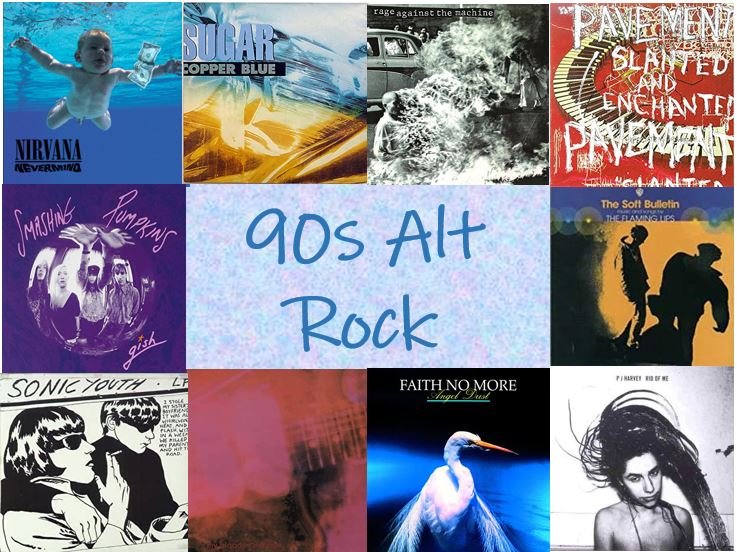
Remember the synthesized sheen of the 80s? The hairspray, the neon, the perfectly choreographed pop? Then, seemingly overnight, a raw, unpolished, often angry sound erupted from the underground, grabbing the microphone and refusing to let go. It was grunge. It was indie rock. It was the vast, often messy, landscape of ’90s Alternative Music, and it wasn’t just a genre; it was a cultural rebellion that fundamentally shook the music industry and reshaped the mainstream.
Today, my thoughts turn to this seismic shift, to how an entire movement of artists, fueled by authenticity and a defiant rejection of corporate polish, pushed creative boundaries and forever altered the atmospheric conditions of popular music. As someone whose own musical palate was profoundly shaped by this era (I was right there with Alanis Morissette, feeling every raw emotion), I can tell you, the ’90s weren’t just a decade; they were a necessary revolution.
The Problem: A Polished Plateau and a Hunger for Realness
By the late 80s and early 90s, mainstream music, particularly pop and rock, felt like it had reached a polished plateau. The charts were dominated by manufactured sounds, glossy production, and artists who often prioritized image over raw talent. There was a pervasive sense of artificiality, a disconnect from the gritty realities of everyday life.
- The Synth-Pop Hangover: The excessive reliance on synthesizers and drum machines in the 80s, while innovative at first, led to a certain sonic homogeneity. Music often felt mechanical, lacking organic warmth and human imperfection.
- Aspiration Over Authenticity: Pop culture frequently presented an aspirational, often unattainable, ideal. Music videos were slick, performances were meticulously choreographed, and artists rarely showed vulnerability or imperfection. This left a void for those who craved something real, something messy, something honest.
- Corporate Control: The music industry was a juggernaut, often dictating artistic direction, image, and sound to maximize profits. Authenticity was often sacrificed at the altar of marketability.
This created a simmering discontent, a quiet hunger for something more genuine, something that reflected the frustrations and complexities of a new generation.
The Revolution: Rawness, Rebellion, and a New Sound
Then came the seismic shift. Emerging from the underground scenes of Seattle, college radio stations, and indie labels, alternative music wasn’t just different; it was a direct challenge to the mainstream’s polished façade.
- The Grunge Explosion (Nirvana and Beyond):
- The Sound: Nirvana’s Nevermind (1991) was the atom bomb. Its raw, distorted guitars, visceral screams, and angst-ridden lyrics shattered the prevailing pop and hair metal paradigms. Bands like Pearl Jam, Soundgarden, and Alice in Chains followed, bringing a heavy, melancholic, and deeply authentic sound that resonated with a generation’s disillusionment.
- The Message: Grunge was about authenticity, about embracing imperfection, about rejecting the manufactured glamour of the 80s. Its lyrics often grappled with alienation, depression, and societal hypocrisy, reflecting the darker realities of life.
- Impact: Nirvana dragged alternative rock into the mainstream, proving that raw, uncompromising music could sell millions without corporate polish. It forced major labels to take notice of indie scenes and sign bands that didn’t fit the traditional mold.
- The Rise of Angsty Songwriters (Alanis Morissette and Others):
- The Sound: Artists like Alanis Morissette (with her seismic Jagged Little Pill in 1995) brought a different kind of raw authenticity. Her music, while more pop-rock than grunge, was equally unfiltered, angst-ridden, and deeply personal. As I’ve explored, her “unvarnished truth” and willingness to show profound emotional intensity (even through a “non-traditional” vocal style) resonated profoundly with me.
- The Message: Her lyrics bravely tackled betrayal, anger, self-doubt, and spiritual questioning in a way that felt revolutionary for female artists in the mainstream. She didn’t apologize for her emotions; she amplified them.
- Impact: She paved the way for a generation of female singer-songwriters who prioritized emotional honesty and complex lyrical narratives over manufactured pop. She showed that a woman could be angry, vulnerable, and fiercely intelligent, without apology.
- Indie Rock’s Influence (and its Diverse Offshoots):
- Beyond grunge, the 90s saw the rise of diverse indie rock bands who championed DIY aesthetics, lyrical introspection, and a rejection of commercialism. This led to a flourishing of subgenres—Britpop, riot grrrl, alternative hip-hop, and electronica—all pushing creative boundaries.
- The Message: This broader alternative movement emphasized artistic integrity, creative freedom, and often, social commentary. Artists weren’t just selling records; they were building communities and expressing unique visions.
The Lasting Impact: A Legacy of Authenticity and Creative Freedom
The influence of 90s alternative music continues to reverberate across the music industry today. It wasn’t just a fleeting trend; it was a fundamental shift that reshaped the very atmospheric conditions of popular music.
- Prioritizing Authenticity: The 90s forced the industry to recognize that authenticity, raw emotion, and genuine artistry could be incredibly commercially successful. This paved the way for artists who prioritized their unique voice over a manufactured image.
- Expanding Sonic Palates: The genre-bending nature of alternative music broadened the mainstream’s sonic palate, making audiences more receptive to diverse sounds and less polished production.
- Empowering Artists: It gave artists more creative control, pushing back against the corporate machine. Bands proved they could succeed on their own terms, forcing labels to adapt.
- Influencing Subsequent Generations: The raw honesty, the lyrical depth, and the rejection of superficiality deeply influenced artists like Adele (whose emotional vulnerability I admire) and even elements of Kacey Musgraves’ “new country” sound. The ripples of the 90s alternative wave are still felt today in artists who dare to be real.
For me, who found my own voice and began to navigate my complex identity in the challenging landscape of the 90s, this music was more than entertainment. It was a mirror reflecting my own angst, a validation of my feelings, and a soundtrack to a period of profound self-discovery. It taught me that it’s okay to be different, to be loud, and to be unapologetically yourself, even if it means challenging the mainstream. The 90s alternative movement didn’t just change music; it provided a powerful, unfiltered roar that continues to inspire.