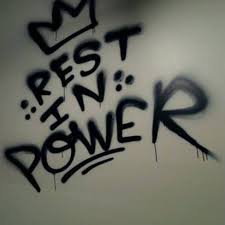
The air still carries the faint resonance of their melodies, a lingering vibrato in the cultural atmosphere. Their images flash across screens, vivid and vibrant, forever frozen in moments of triumph, vulnerability, and sheer, undeniable brilliance. But then, the quiet ache settles in—the profound understanding that the music stopped too soon, the light dimmed before its time. Today, my thoughts gather around a constellation of extraordinary artists, voices whose journeys were tragically cut short, leaving an unfillable void in the pantheon of pop culture: Groundbreaking Artists We Lost Too Soon.
This is not merely a list of names; it’s a poignant reflection on the immense, unquantifiable loss of creative potential, of untold stories, and of a future that will never fully unfold. For me, as someone who has navigated profound personal losses (the death of my Uncle David, the abandonment by family, the specter of my own cancer diagnosis, and even the “lost” years of an abusive relationship), the concept of lives tragically curtailed resonates with a particular, searing pain. The echoes of these artists, the “what ifs” of their unfinished symphonies, strike a deeply emotional chord.
The Problem: When the Music Ends Prematurely
The entertainment industry is a brutal crucible, often accelerating the brightest stars towards burnout and tragedy. The pressures of fame, the relentless scrutiny, and the ever-present temptations can create a perilous atmosphere, particularly for those who rise to prominence at a young age or grapple with profound internal struggles. Losing an artist “too soon” is a collective heartbreak, a sudden, irreversible silence in the cultural conversation.
- Unfulfilled Potential: Perhaps the most agonizing aspect of losing these artists is the awareness of their unfulfilled potential. What masterpieces might they have created? What boundaries might they have pushed? What further comfort or inspiration might they have provided? Their unfinished narratives haunt the landscape, leaving us to wonder about the art that will never be.
- The Weight of Public Scrutiny: For many of these artists, their personal struggles—with addiction, mental health, societal pressures—were played out in the harsh glare of public scrutiny. This amplified their pain, often making recovery an impossible battle fought under relentless observation. The entertainment industry, with its insatiable appetite for celebrity, often contributes to the very conditions that lead to tragedy.
- A Collective Grief: The death of a beloved artist is a form of collective grief. Their music, their performances, and their public personas weave themselves into the fabric of our lives, soundtracking our memories and shaping our identities. Their sudden absence creates a void, a shared sense of loss that transcends individual fandom.
The Luminary Lost: Voices That Pierced the Veil, Then Faded
Each artist, though unique in their sound and impact, shares the tragic commonality of a journey curtailed before its natural end. Their legacies, however, continue to shine, reminding us of the immense light they brought to the world.
- Prince (1958-2016): The Unmatched Virtuoso of Funk and Soul
- The Genius: Prince was simply unmatched—a musical polymath, a virtuoso multi-instrumentalist, a visionary songwriter, and a captivating performer. His ability to seamlessly blend funk, rock, R&B, pop, and soul, while pushing boundaries of sexuality and gender expression, made him a singular force. His music was electric, audacious, and profoundly authentic.
- The Tragedy: His sudden death at 57, from an accidental opioid overdose, was a devastating shock, silencing a voice that still had so much to give. The sheer volume of unreleased material he left behind only amplifies the sense of loss, hinting at the endless musical landscapes he had yet to explore.
- Amy Winehouse (1983-2011): The Soulful Echo of a Troubled Heart
- The Genius: Amy Winehouse possessed a voice that defied her age—a raw, smoky, deeply soulful instrument rooted in jazz, R&B, and blues. Her confessional lyrics, delivered with a unique blend of vulnerability and defiance, spoke of addiction, heartbreak, and complex relationships with unflinching honesty. Albums like Back to Black were instant classics.
- The Tragedy: Her long, public battle with addiction, chronicled in tabloids with a cruel fascination, culminated in her death at 27 from alcohol poisoning. Her passing was a stark, heartbreaking reminder of the devastating toll of substance abuse, and the media’s complicity in turning human struggle into public spectacle.
- Whitney Houston (1963-2012): The Voice That Soared Beyond Measure
- The Genius: For me, Whitney Houston was simply unparalleled. Her voice was a force of nature, a soaring, multi-octave instrument of pure power, precision, and emotional depth. She could command any stage, any note, any melody, making every song her own (as she did with “I Will Always Love You”). Her gospel roots infused her pop with a spiritual resonance that was simply divine.
- The Tragedy: Her long, painful battle with addiction, exacerbated by intense public scrutiny and a tumultuous personal life, cast a dark shadow over her later career. Her death at 48 from accidental drowning, with heart disease and cocaine use as contributing factors, was a profound, collective heartbreak. The sense that she never got the sustained comeback she deserved, that her immense voice was silenced too soon, lingers with immense sadness.
- Aaliyah (1979-2001): The Princess of R&B’s Ethereal Groove
- The Genius: Aaliyah pioneered a unique sound in R&B—a blend of sultry vocals, futuristic production (thanks to Timbaland), and a laid-back, cool swagger that defined a new era. Her music was innovative, influential, and timeless, pushing boundaries in R&B and pop.
- The Tragedy: Her life and career were tragically cut short at just 22 in a plane crash. Her death left an immeasurable void in the music industry, leaving fans to wonder about the immense artistic heights she would have reached. Her influence continues to reverberate, a constant reminder of a talent lost far too soon.
- Avicii (Tim Bergling) (1989-2018): The Electronic Pioneer’s Inner Battle
- The Genius: Avicii was a Swedish DJ and producer who revolutionized electronic dance music (EDM), bringing it to mainstream global audiences with infectious melodies and emotionally resonant tracks like “Levels” and “Wake Me Up.” His music was anthemic, joyful, and profoundly impactful.
- The Tragedy: His death at 28 from suicide, after years of struggling with severe anxiety, mental health issues, and the immense pressures of constant touring, brought a stark, sobering spotlight to the mental health crisis within the music industry. His story is a poignant reminder that immense external success can mask profound internal suffering, echoing the struggles with anxiety and mental health that I, and others, have personally navigated.
- Tupac Shakur (1971-1996): The Poetic Voice of a Generation
- The Genius: Tupac was more than a rapper; he was a poet, a complex lyricist, and a powerful voice who captured the rage, beauty, and contradictions of urban life. His music tackled racism, poverty, police brutality, and systemic injustice with unflinching honesty and raw emotion. He was a cultural icon whose words resonated with millions globally.
- The Tragedy: His life was tragically cut short at 25, dying from gunshot wounds in a still-unsolved murder. His death, entangled in the East Coast-West Coast hip-hop rivalry, left a gaping void in the music world, silencing a voice that had so much more to say.
- Freddie Mercury (1946-1991): The Unparalleled Theatrical King
- The Genius: Freddie Mercury was a force of nature—a mesmerizing vocalist, an unparalleled showman, and a brilliant songwriter who commanded every stage he graced. As the frontman of Queen, he blended rock, opera, pop, and theatricality into a singular, iconic sound. His vocal range, his stage presence, and his flamboyant charisma were simply legendary.
- The Tragedy: His death at 45 from AIDS-related complications during the height of the AIDS crisis (a devastating period for the LGBTQ+ community, which I’ve explored) was a profound loss, silencing one of music’s most unique and powerful voices. He became a poignant symbol of the devastating impact of the epidemic on the arts.
- Selena (1971-1995): The Cumbia Queen, A Bridge of Identity
- The Genius: For me, Selena was a radiant beacon. As a Mexican-American Tejano music superstar, she was a cultural phenomenon whose vibrant fusion of cumbia, mariachi, R&B, and pop transcended linguistic barriers. As a biracial kid in West Texas, unable to speak Spanish, her music spoke directly to my soul, providing a vital connection to my heritage and a sense of pride in my identity. She truly was the “Crossover Queen” before her time.
- The Tragedy: Her life was tragically cut short at just 23, murdered by the president of her fan club. Her death was a devastating blow to the Latinx community and the music world, silencing a voice that was on the cusp of global crossover superstardom. She remains a powerful symbol of unfulfilled potential and enduring cultural impact.
The Echoes That Linger: A Call to Remember and Act
Losing these groundbreaking artists too soon leaves an unfillable void. Their absence is a constant reminder of the fragility of life, the immense pressures of fame, and the complex battles many creative spirits wage, often in silence. But their legacies, their music, and their impact continue to resonate, inspiring new generations and reminding us of the profound power of art to heal, to challenge, and to transform.
This collective grief for artists lost too soon is also a call to action. It’s a call to prioritize mental health support within the entertainment industry, to combat the stigma of addiction, to fight for systemic change that protects vulnerable individuals, and to challenge the ruthless mechanisms of fame that can consume even the brightest stars. Their echoes linger not just as melodies in the air, but as powerful reminders of lives lived with immense brilliance, and lives tragically cut short. And for that, we continue to listen, to remember, and to honor their enduring light.