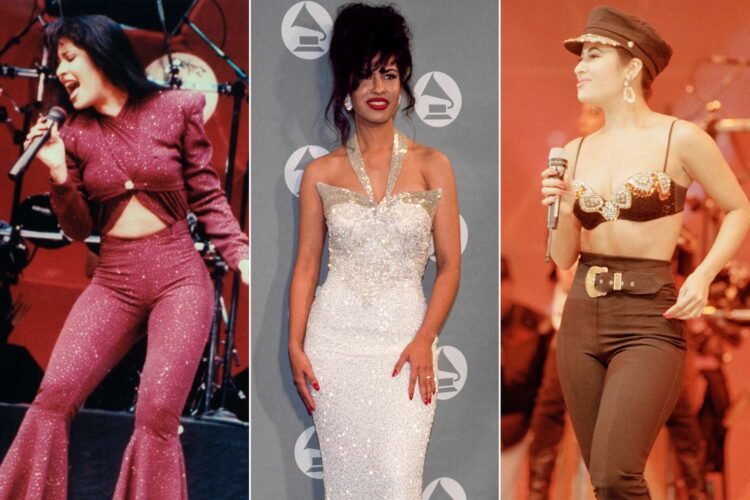
The air, even decades later, still carries the vibrant, unmistakable rhythm of a cumbia beat. A sequined bustier flashes across the mind’s eye, a powerful voice soars, and a profound sense of cultural pride washes over me. For many, Selena Quintanilla-Pérez was a pop star. For me, as a biracial child growing up in West Texas, navigating a complex identity, she was something far more profound: she was a mirror, a bridge, and a foundational artist whose music, despite a subtle, yet significant, linguistic barrier, helped shape my understanding of who I was.
This isn’t just about a singer; it’s a deeply personal essay about the unexpected ways culture, music, and a singular artist can provide solace, connection, and a sense of belonging when a part of your heritage feels just out of reach.
The Unspoken Divide: A Biracial Childhood and the Language Barrier
As a biracial individual, half white and half Puerto Rican, growing up in West Texas, my childhood was a constant negotiation of identity. While my heritage was undeniable, the cultural landscape around me was predominantly white and conservative. My Puerto Rican family, while loving, did not teach me Spanish. This wasn’t a malicious omission; it was likely a product of their own assimilation efforts, a desire to ensure I fit seamlessly into American society. But it created a subtle, yet pervasive, linguistic and cultural divide within my own identity. I was Latinx in blood, but often felt disconnected from the language and deeper cultural nuances that might have provided a stronger sense of belonging. This left a quiet void, a part of my identity that felt just out of reach.
Then came Selena. She was everywhere in Texas. Her music, her image, her undeniable charisma permeated the airwaves, transcending linguistic barriers and cultural divides.
The Crossover Queen: Music as a Bridge to Identity
Selena, born in Texas, was a Mexican-American Tejano music superstar who achieved crossover success. Her music was a vibrant fusion of cumbia, mariachi, R&B, and pop, a unique sound that celebrated her heritage while reaching a global audience. For me, she was the bridge I didn’t even know I needed.
- A Reflection of Shared Identity: Seeing Selena, a Mexican-American woman from Texas, owning her heritage with such pride and joy, resonated deeply. She was Latinx, she was Texan, and she was a superstar. This was a powerful mirror for a biracial kid like me, showing that a complex identity could be celebrated, not hidden. She was a living embodiment of cultural fusion.
- Music Beyond Language: Even though I wasn’t fluent in Spanish, the sheer energy, the undeniable rhythm, and the profound emotion in Selena’s Spanish songs transcended words. I didn’t need to understand every lyric to feel the joy of “Bidi Bidi Bom Bom,” the heartbreak of “Como la Flor,” or the raw power of “Dreaming of You.” Her voice communicated directly to my soul, bypassing the language barrier that often made me feel like an outsider in my own heritage. Her cumbia beats were universal, inviting everyone to move and feel.
- Cultural Pride and Affirmation: Selena radiated an unapologetic cultural pride. Her fashion, her stage presence, and her dedication to Tejano music were a vibrant celebration of Latinx culture. For me, this was immensely affirming. It was a visible, audible declaration that my heritage was something to be proud of, to dance to, to celebrate, rather than a quiet, often unacknowledged, part of who I was. She made me feel seen, even in her immense public persona.
- The Dream of Crossover: Her crossover success, particularly with her English-language album Dreaming of You (released posthumously), symbolized a larger aspiration—the ability to bridge worlds, to be understood and celebrated across different cultural landscapes. This ambition, tragically cut short, remains a powerful testament to her desire for broader connection.
The Unforgettable Impact: A Legacy That Endures
Selena’s life was tragically cut short in 1995, but her legacy has only grown in the decades since. She remains a powerful cultural icon, a symbol of talent, resilience, and the enduring power of dreams.
- A Symbol of Identity: For countless Latinx individuals, particularly those navigating bicultural identities, Selena remains a powerful symbol of pride and authenticity. Her story—a Texas-born artist who embraced her Mexican-American roots—continues to resonate deeply.
- Musical Influence: Her unique blend of genres and her powerful vocal performances continue to influence artists across the musical spectrum. She paved the way for future Latinx artists to achieve mainstream success.
- The Power of Memory: Despite her short career, her impact was so profound that her memory continues to inspire films, documentaries, and a dedicated fan base. She lives on through her music, her spirit, and the lives she touched.
Growing up, Selena’s music didn’t just entertain me; it shaped my identity. It provided a vital connection to my Puerto Rican heritage, bridging the language barrier that sometimes felt like a chasm. It taught me the power of unapologetic self-expression, the beauty of cultural pride, and the profound joy of finding yourself reflected in the art that surrounds you. Her voice, her energy, and her enduring spirit remain a vibrant, comforting presence in my life, a reminder that identity is a complex, beautiful tapestry, woven with threads from every part of your story.