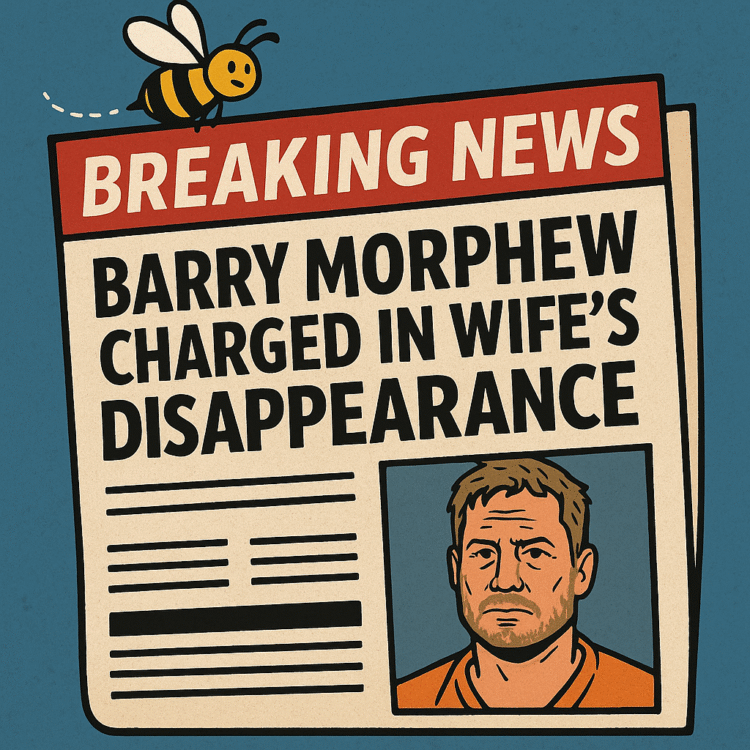
Five years after Suzanne Morphew vanished on Mother’s Day 2020, her husband, Barry Morphew, is once again facing charges—this time backed by new forensic evidence, a recovered body, and a reassembled timeline investigators believe finally points to murder. The case, long a source of media attention and legal frustration, has taken a dramatic turn that may finally bring answers.
A Disappearance That Never Made Sense
On May 10, 2020, Suzanne Morphew was reported missing from her home in Chaffee County, Colorado. The initial story was that she’d gone for a bike ride and never returned. What followed was a tangled mess of leads, media coverage, volunteer searches, speculation, and a husband who—depending on who you asked—was either heartbroken or suspiciously composed.
In 2021, Barry Morphew was charged with murder, tampering with a human body, and evidence. But in a shocking move, those charges were dropped in 2022. The state cited problems with evidence disclosure and procedural errors, and the case was dismissed “without prejudice”—meaning they could refile. Still, without a body, many thought that might be the end of it.
But the story wasn’t over.
The Body, the Tranquilizer Gun, and a Second Chance at Justice
In September 2023, Suzanne’s remains were discovered in Saguache County, not far from the Morphew family’s former residence. Forensic analysis revealed a chilling detail: her system contained a combination of veterinary tranquilizers—specifically butorphanol, azaperone, and medetomidine, often referred to as “BAM.”
Investigators had previously recovered a tranquilizer gun, darts, and drug caps in the Morphew home. Records confirmed Barry had access to these substances. The pieces that once didn’t quite fit were beginning to snap into place.
The timeline of Barry’s actions the day Suzanne went missing was also damning. Phone data showed unusual gaps. His truck’s GPS stopped logging movements at suspicious times. When added to the toxicology report and earlier statements he’d made, a new case began to take form—stronger, more detailed, and harder to dismiss.
Arrested Again
On June 18, 2025, a grand jury indicted Barry Morphew for first-degree murder, tampering with a human body, and evidence manipulation. Two days later, he was arrested in Arizona and is currently awaiting extradition to Colorado. This time, prosecutors are betting that with Suzanne’s remains and clearer forensic backing, the case can finally hold.
The Family, the Fallout, and the Future
Barry maintains his innocence. His defense team argues the case is circumstantial, built on a timeline riddled with gaps and assumptions. His daughters have remained publicly supportive, adding emotional complexity to an already devastating family tragedy.
This new indictment also reopens wounds in the public consciousness: How do we balance the need for due process with the desperation for justice? How do we hold investigators accountable for botched evidence while still supporting their renewed efforts? And perhaps most importantly—how many other missing persons cases are waiting for just one more clue to break them open?
Why It Matters
The Barry Morphew case underscores the critical role of time, technology, and tenacity in criminal investigations. It reminds us that justice isn’t always swift, and that even in the age of 24-hour news and endless speculation, some answers take years to emerge.
It’s also a chilling reminder that behind every true-crime headline is a family that will never be the same. And sometimes, it takes five years, a second arrest, and the resilience of those who refuse to let the story end, to bring the truth to light.